

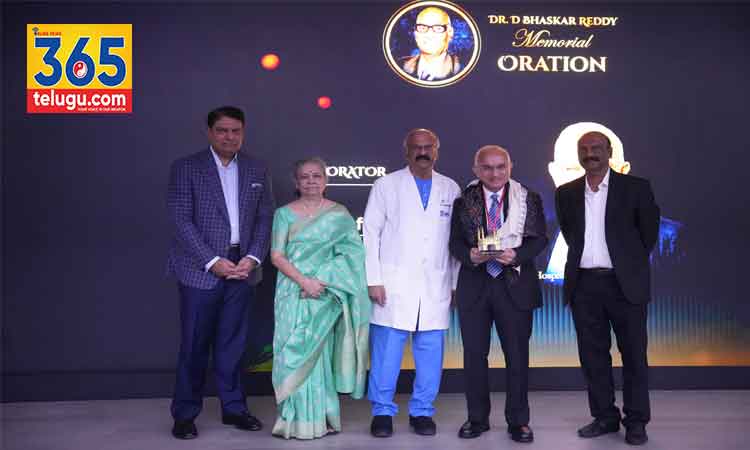
365telugu.com online news,HYDERABAD,January 16th,2026: In a move that signals a paradigm shift in gastrointestinal medicine, AIG Hospitals has inaugurated the Centre for Microbiome Research India. This state-of-the-art facility is designed to be an integrated hub for gut microbiome-based research and the development of next-generation therapeutics for chronic digestive diseases.
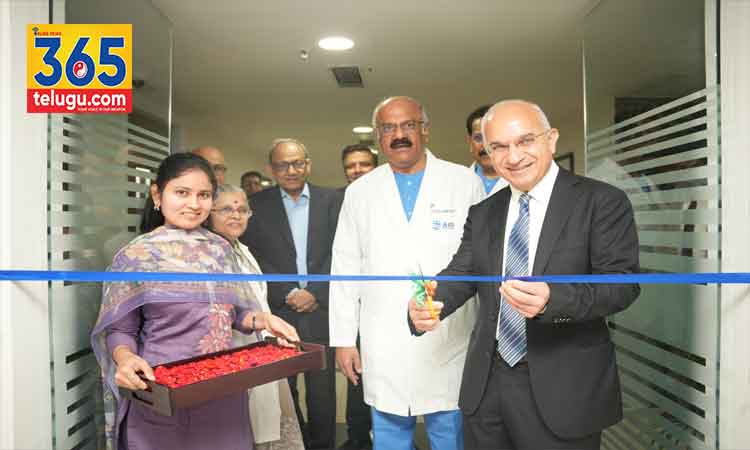
The center was formally inaugurated by Prof. Emad El-Omar, a global authority in microbiome research, who joins the institution as a Special Scientific Advisor.
The human gut houses trillions of bacteria that act as a “hidden organ,” regulating everything from digestion to immunity. When this delicate balance is disrupted, it leads to chronic inflammation and diseases. Unlike traditional medicine that often focuses on symptom management, the new center aims to:
Restore Balance: Design therapies that replenish beneficial microbes.
Personalized Care: Analyze an individual’s unique microbial signature to tailor treatments.
Read this also..Wipro Q3 Results: Profit Dips to Rs.31.2 Billion, But Margins Hit Multi-Year High
ఇదీ చదవండి..ఖజానా నిండుగా.. బకాయిలు మెండుగా: తెలంగాణలో ఆల్కోబెవ్ పరిశ్రమ ఆవేదన..
Root-Cause Healing: Enable the body to heal from within, offering long-term relief with minimal side effects.
The Centre for Microbiome Research India bridges the gap between lab science and bedside care. It brings together a diverse team of clinicians, wet-lab scientists, and computational researchers.
Focus Areas include:
Inflammatory Bowel Disease (IBD)
Fatty Liver Disease & Obesity
Read this also..Telangana Alcobev Industry in Crisis: Pending Dues Cross Rs.3,900 Crore Mark..
Read this also..JSW MG Motor India Partners with Incredible India for ‘Watt’s In The Wild’ Season 2..
Pancreatitis and Metabolic Disorders
Complex GI Conditions
The facility is equipped with cutting-edge technology, including Next-Generation Sequencing (NGS) platforms, specialized bioinformatics for large-scale data analysis, and -80°C biorepository freezers for long-term sample preservation.
Speaking at the launch, Dr. D. Nageshwar Reddy, Chairman of AIG Hospitals, emphasized that India cannot rely solely on Western datasets.
“India’s unique dietary habits, genetic diversity, and disease burden necessitate region-specific research. To find solutions that truly work for our population, we must study our own microbiome signatures,” said Dr. Reddy.
Prof. Emad El-Omar noted that the center’s “translational intent”—moving research quickly into clinical use—sets it apart. The goal is not just to improve patient outcomes in Hyderabad but to inform global clinical guidelines and strengthen India’s position in the global biomedical research landscape.